Best Clothing Colors for Brown Skin: Complete Palette Guide
Discover which colors amplify your natural radiance based on your specific undertone, melanin depth, and chroma level. Complete color palette guide for brown skin.

The best colors for brown skin are jewel tones, warm earth tones, and rich saturated shades. Which specific ones suit you depends on your undertone, melanin depth, and natural chroma level. Emerald green, burnt orange, deep teal, burgundy, and warm red are among the most consistently flattering across South Asian skin tones, but the more precise your undertone identification, the more accurately you can build a palette.
This isn't about following generic "warm skin" or "cool skin" advice. Brown skin color harmony depends on three factors:
- Your specific undertone
- Your melanin depth
- Your natural chroma level
Here's your complete color palette guide.
Why Traditional Color Advice Often Misses Brown Skin
Most color advice was developed with lighter skin as the reference point. The rules were built by observing how colors interact with skin that has less melanin density, where undertone is more visible at the surface.
Brown skin behaves differently. Not worse, but differently:
Melanin absorbs more light. This means high-chroma, saturated colors often look better than muted or "smoky" tones that look soft on lighter skin but read as flat or dull on brown skin.
Undertone is layered. South Asian skin frequently has olive undertones, a yellow-green cast that makes standard warm advice partially work but never quite right. If warm colors that "should" suit you still feel slightly off, olive undertones are often the reason. Understanding the difference between warm and olive-neutral undertones is the first step to getting this right. See our complete guide to identifying your undertone.
Depth and chroma interact. Deep brown skin with high natural chroma has a vibrancy that softer, lower-saturation colors don't match. Pastels and dusty tones that work beautifully on lighter skin or lower chroma can look muted and flat on deep brown skin.
Once you account for these factors, color selection becomes much more accurate.
Colors for Warm Undertones
Warm undertones have a golden, peachy, or yellow-based cast beneath the skin.
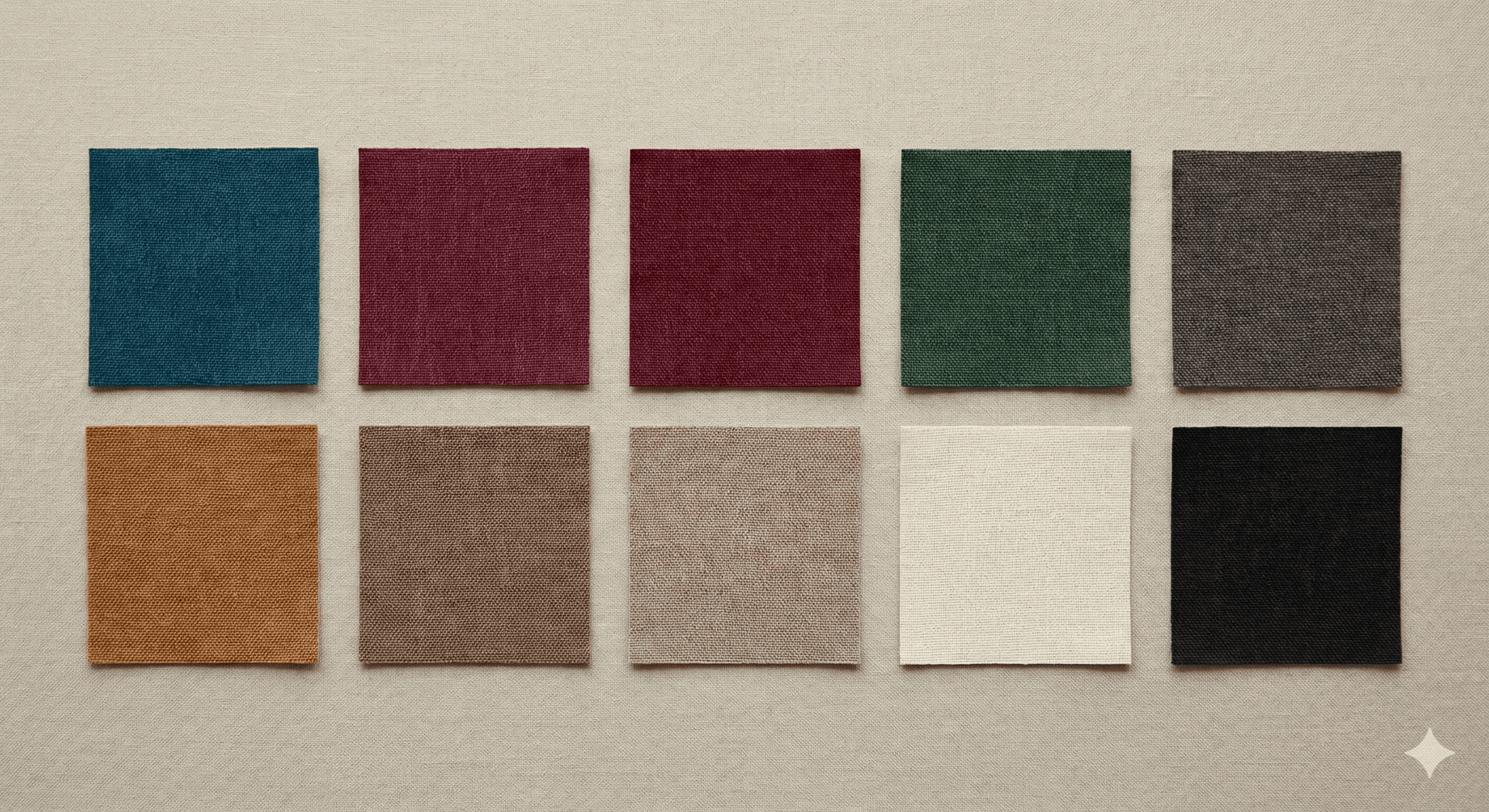
Jewel Tones
- Emerald green (rich, saturated)
- Ruby red (warm red with orange undertones)
- Topaz (golden amber)
- Copper (metallic warm bronze)
Earth Tones
- Burnt orange
- Terracotta
- Warm camel
- Chocolate brown
- Rust
Accent Colors
- Mustard yellow
- Warm coral
- Deep gold
- Burnt sienna
- Brick red
Colors to Approach Carefully
❌ Icy pastels (too cool) ❌ Grey-based colors (can look muddy) ❌ Cool pinks (may clash) ❌ Silver tones (less harmonious than gold)
Colors for Neutral-Warm Undertones
Neutral-warm undertones are balanced with a slight golden lean. This is the most common category for brown skin.
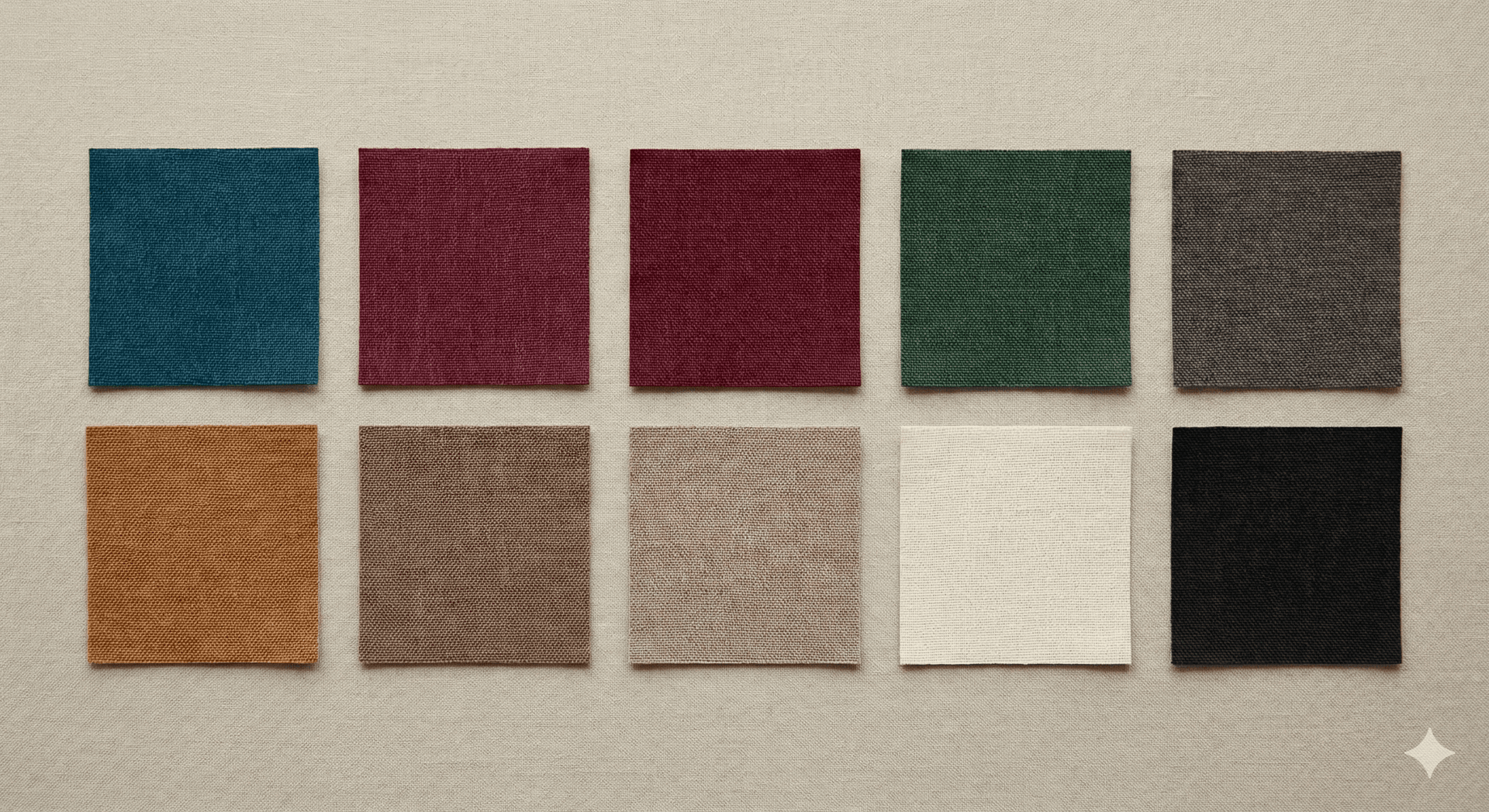
Universally Flattering
- Deep teal (blue-green balance)
- Wine/burgundy (red-purple depth)
- Forest green
- Rich navy
- Warm charcoal
Versatile Neutrals
- Caramel
- Mocha
- Warm taupe
- Cream (not stark white)
- Soft black
Statement Colors
- Rosewood (dusty pink-brown)
- Jade green
- Raspberry
- Deep plum
- Cognac
Colors to Approach Carefully
⚠️ Very bright cool pinks (may be too harsh) ⚠️ Pale pastels (may wash out) ⚠️ Neon colors (can overwhelm)
Colors for Olive-Neutral Undertones
Olive undertones have a yellow-green cast, common in brown skin but often unrecognized.
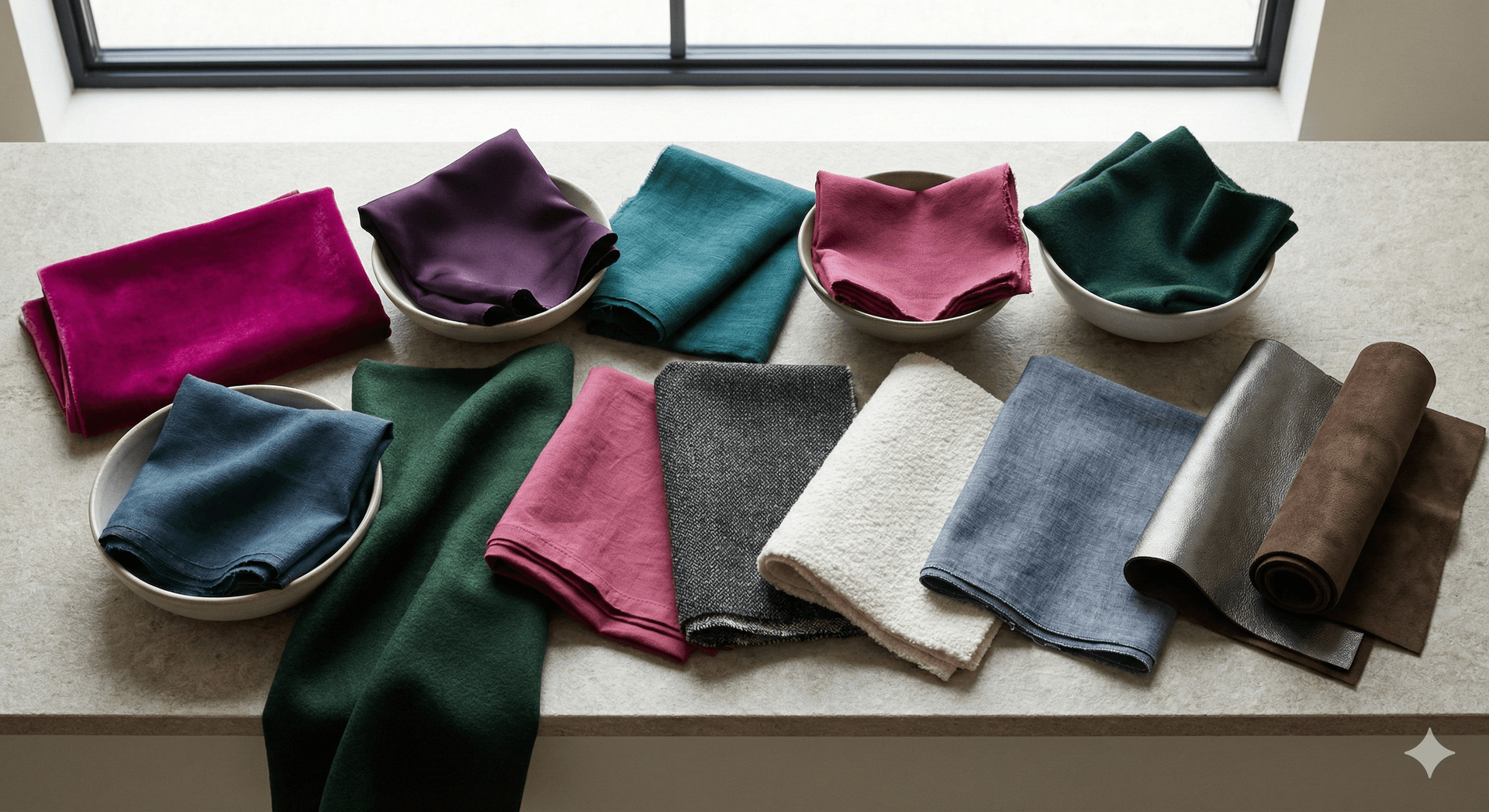
Signature Colors (Especially Flattering)
- Magenta (bright blue-pink)
- Deep teal
- Eggplant purple
- Forest green
- Burgundy
Unexpected Winners
- Berry pink (cool pink with depth)
- Charcoal grey
- Warm white (not cream)
- Black (pure, not warm-toned)
- Pewter
Supporting Colors
- Walnut brown
- Sage green
- Dusty rose
- Slate blue
- Warm concrete grey
Colors to Avoid
❌ Beige (turns grey) ❌ Tan (looks muddy) ❌ Orange (clashes with green undertones) ❌ Warm yellow (too yellow against yellow-green skin)
Colors for Cool-Neutral Undertones
Cool-neutral undertones have subtle red or blue casts, rare but striking in brown skin.
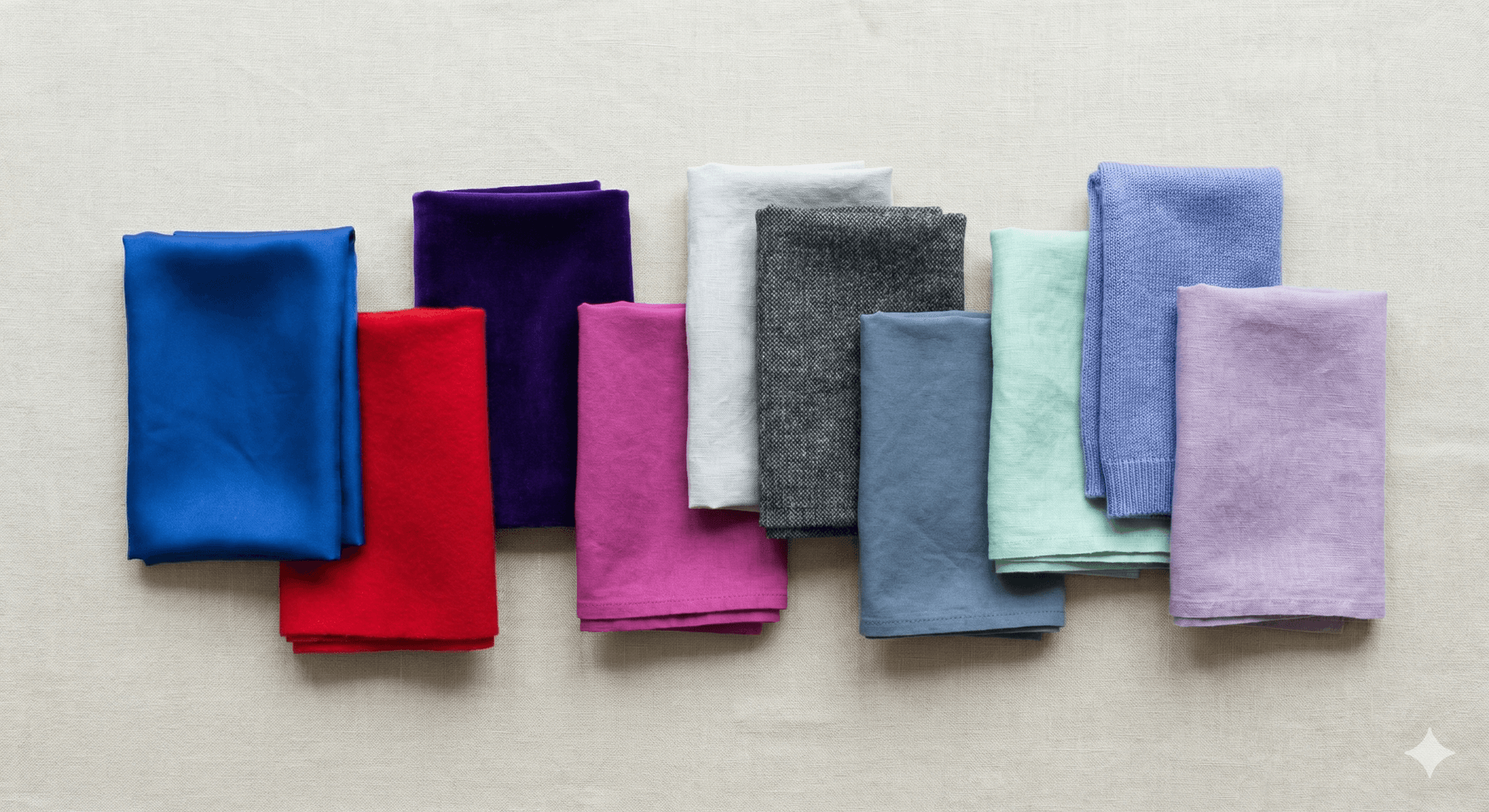
Power Colors
- True red (blue-based red, not orange-red)
- Sapphire blue
- Fuchsia
- Royal purple
- Crimson
Sophisticated Neutrals
- Charcoal grey
- True black
- Icy grey
- Cool brown (not warm chocolate)
- Slate
Fresh Accents
- Icy rose
- Cool mint
- Periwinkle
- Lavender (if melanin depth supports it)
- Berry tones
Colors to Approach Carefully
⚠️ Warm oranges (too yellow) ⚠️ Golden yellows (clashes) ⚠️ Warm browns (can look flat) ⚠️ Rust and terracotta (too warm)
Adjusting for Melanin Depth
Your melanin depth determines color intensity, not just which color, but how saturated it should be.
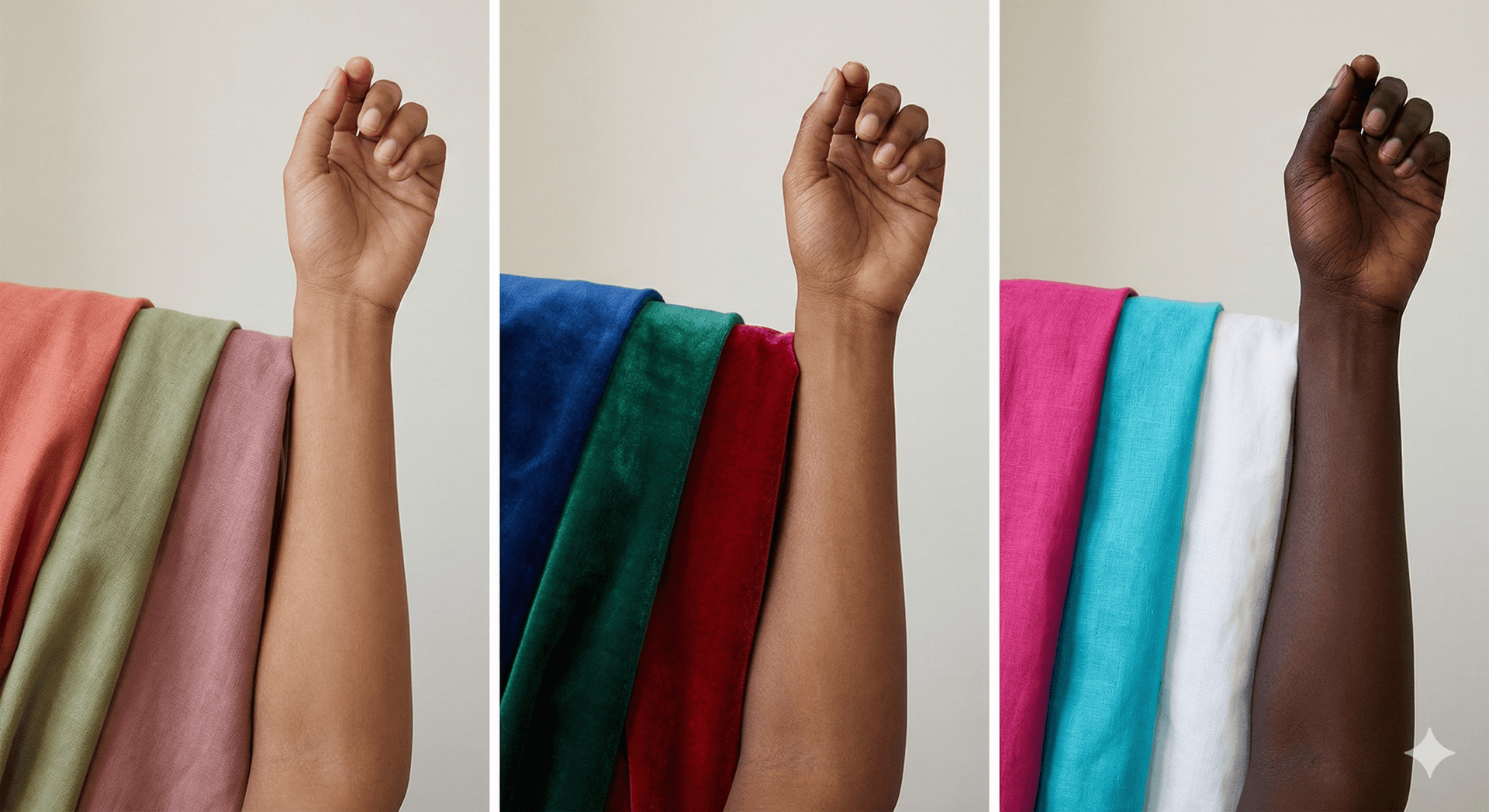
Light-to-Medium Brown Skin
- Can wear a wider range of color intensities
- Pastels work if undertone matches (warm pastels on warm undertones)
- Both soft and bright colors are viable options
- Has more flexibility to experiment with muted or low-contrast palettes
Medium-to-Deep Brown Skin
- Jewel tones are ideal. The saturation creates visual harmony rather than looking heavy
- Rich, saturated colors look best; pastels often lack enough contrast to register
- Deep colors harmonize naturally with medium-deep melanin
- Soft, greyed-out palettes often look flat
Very Deep Brown Skin
- Bright saturated colors are striking. Deep melanin creates enough visual weight to carry them
- Jewel tones produce a brilliant, cohesive effect
- Avoid muddy or greyed-out colors. They absorb into deep melanin without creating harmony
- White and cream create striking contrast that works beautifully
- Pastels rarely work (exception: warm peach tones on warm undertones with very high natural chroma)
A practical example: a medium-brown woman with olive undertones will look better in a saturated forest green than a muted sage. Both are the same hue family, but the saturation level matters as much as the color direction. The 12-season system addresses this through its "depth" and "clarity" descriptors, but it's most useful once your undertone is accurately identified first.
Understanding Chroma: Why Some Colors Feel "Wrong"
Chroma is color intensity, separate from undertone and separate from depth.
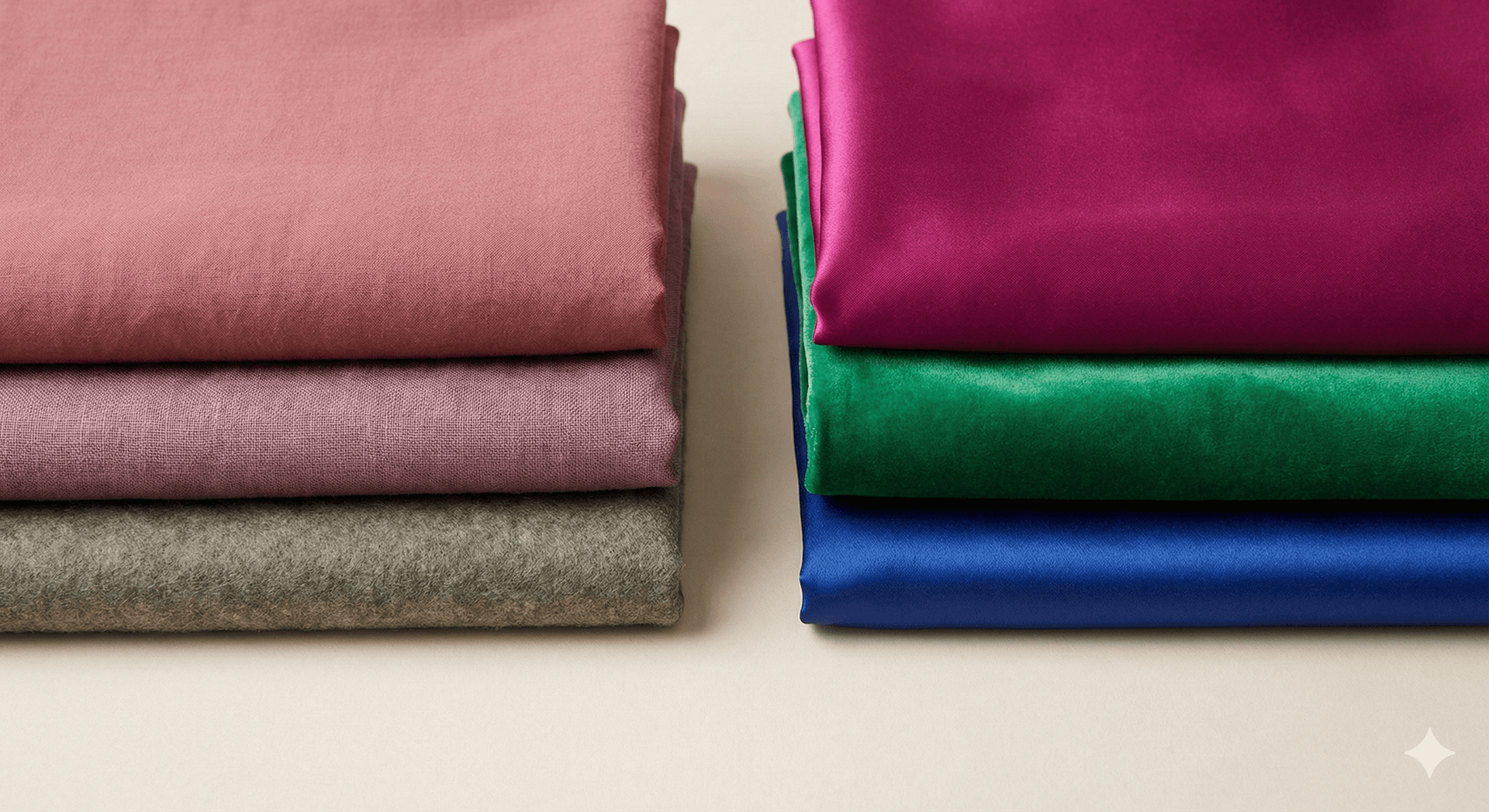
Brown skin typically has high natural chroma, meaning:
✅ Your coloring has inherent vibrancy ✅ Clear, saturated colors usually create harmony ❌ Muted, dusty, or "smoky" colors often look flat ❌ Greyed-out tones may wash you out rather than look sophisticated
High chroma = choose clear, bright, saturated colors Lower chroma = muted tones may work better
Most brown skin, regardless of depth, benefits from higher chroma choices. The exception is when other factors (very neutral undertone, lower contrast coloring) support softer options.
Neutral Colors That Work for All Brown Skin
Some neutrals transcend undertone and work universally:
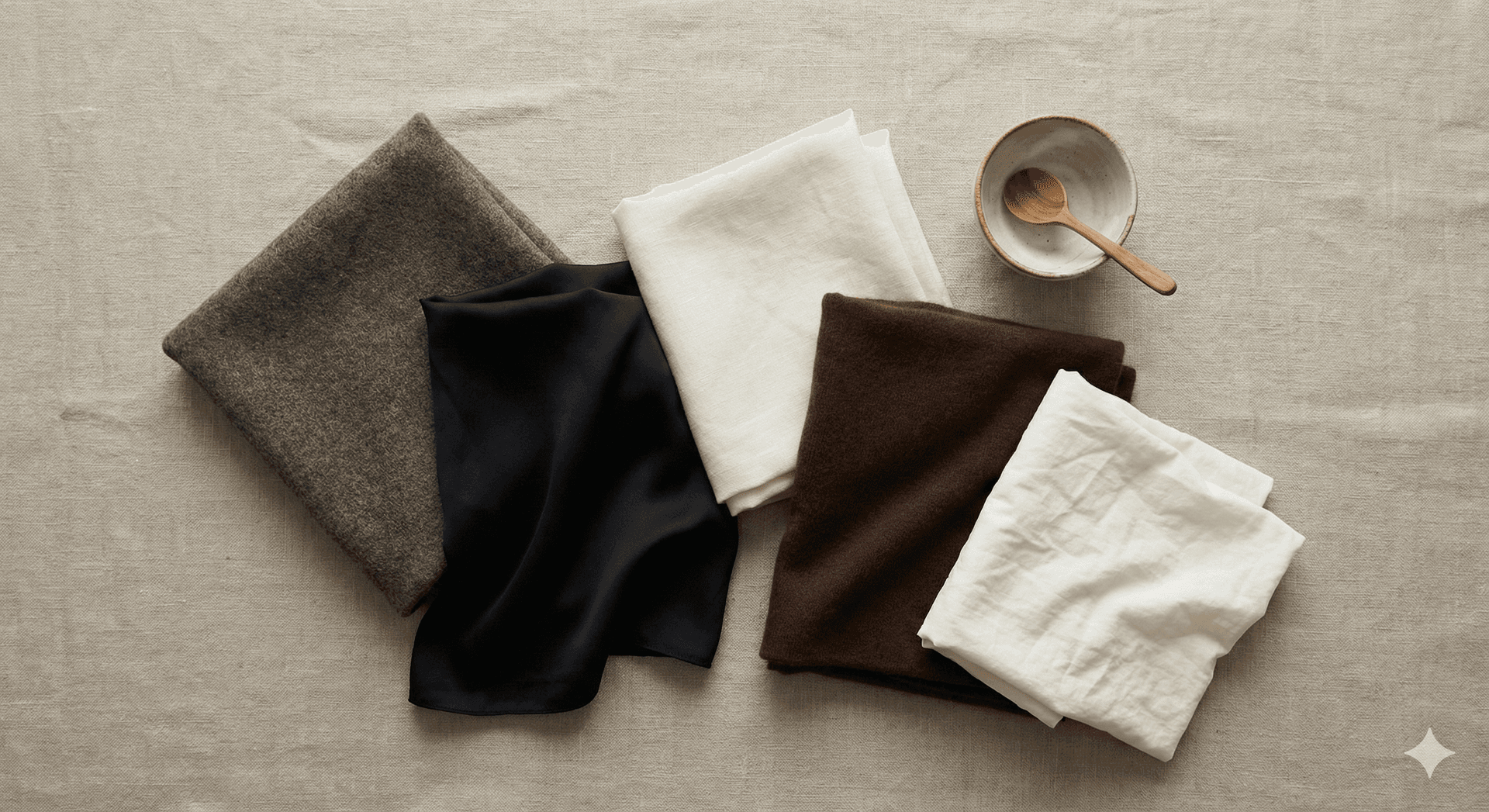
- Warm charcoal: deep grey with subtle warmth. Works across warm, neutral, and olive undertones
- Soft black: true black without a blue cast. Almost universally flattering on brown skin
- Cream: warmer than white, softer than beige. Suits warm and neutral undertones
- Chocolate brown: rich and deep. Works on most undertones except olive, where it can look muddy
- Warm white: pure white with a hint of warmth. Creates good contrast on deep skin
Practical Color Matching in Real Life
The theory is useful. The real test is what happens when you hold a garment near your face in natural daylight.
What to look for:
- Does your face look awake and clear? → The color is working
- Do you suddenly look tired or grey? → The color is fighting your undertone
- Does your skin look sallow or yellow? → The color is emphasizing the wrong cast
When shopping, hold items near your face before buying. Don't trust artificial store lighting. The warm glow of retail spaces makes almost everything look acceptable. Natural daylight is the only reliable test environment.
If you're shopping online, order multiple options in the same style from your "likely" and "uncertain" undertone categories, and compare them in daylight before returning what doesn't work.
Building Your Core Wardrobe Palette
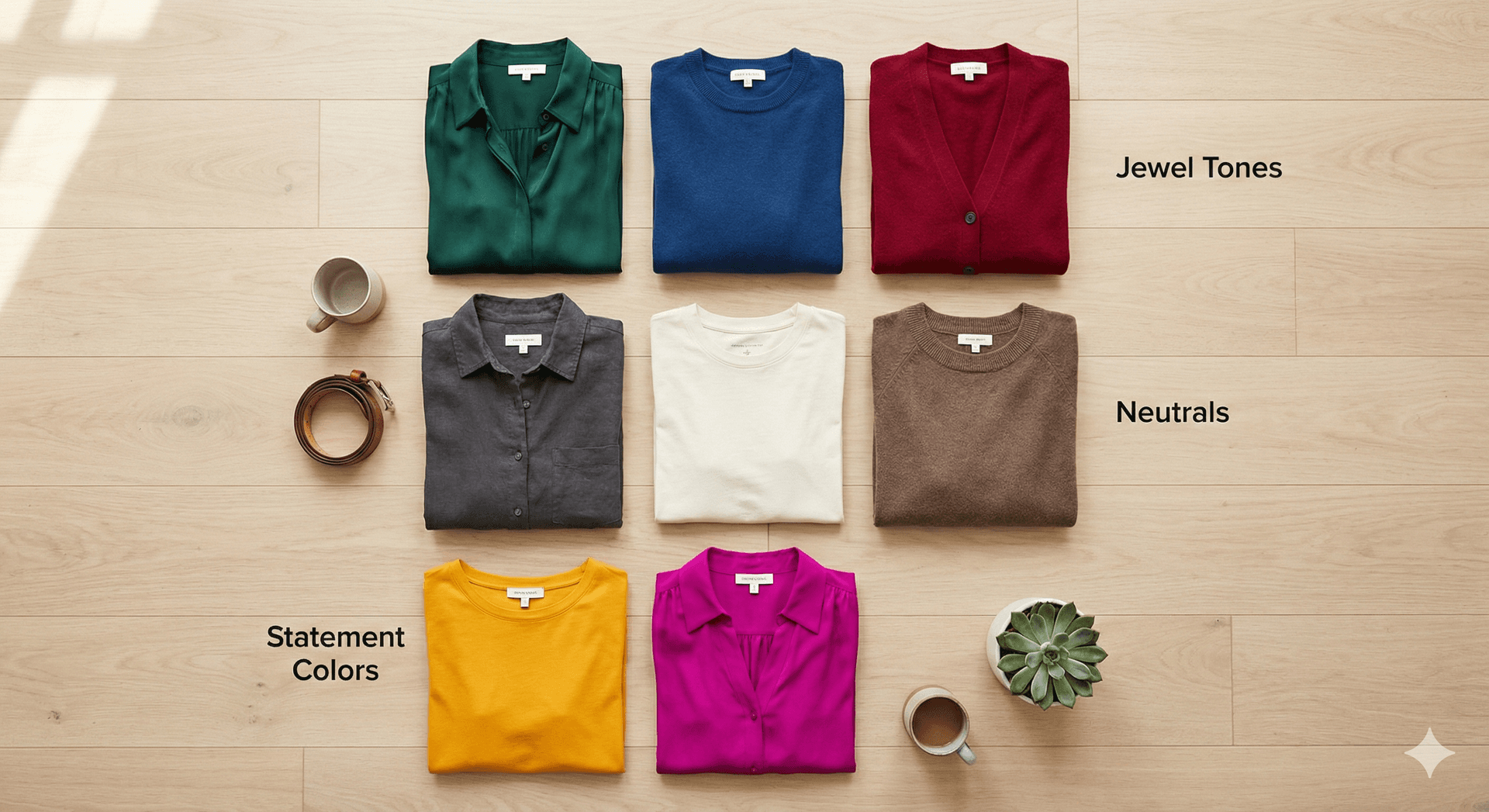
Start with 3–5 Signature Colors
Choose colors from your undertone category that you consistently get compliments in. These are your reliable go-to shades.
Add 3 Versatile Neutrals
Pick neutrals that don't wash you out or make you look tired. For most brown skin: warm charcoal, soft black, and one warm-toned middle neutral (cream, mocha, or warm taupe depending on undertone).
Include 2 Statement Colors
Bold, vibrant colors that make your skin glow. These can be used sparingly for impact.
Test Before Committing
Hold clothing up to your face in natural daylight before purchasing. Your gut reaction in the first three seconds is usually correct.
FAQs
What colors make brown skin glow?
Jewel tones, warm earth tones, and rich saturated shades consistently bring out the radiance in brown skin. For warm undertones: emerald green, rust, deep amber. For olive undertones: magenta, deep teal, forest green. For cool undertones: sapphire, royal purple, true red. The common thread is saturation. Muted and greyed tones rarely work as well.
Can I wear black if I have warm undertones?
Yes. While warm charcoal or warm-toned dark colors may be more harmonious, pure black works on most brown skin tones because the high melanin depth creates enough color response to carry it.
Why do pastels look bad on me?
Pastels have low chroma (intensity). High melanin depth typically requires higher chroma colors to create visual harmony. Pastels often lack the saturation to register well against brown skin, so they look flat rather than soft.
Can brown skin be cool-toned?
Yes. Cool undertones in brown skin are less common than warm or neutral-warm, but they exist, particularly in South Asian individuals with reddish or pink-cast skin. Cool-toned brown skin looks great in jewel tones, royal colors, and blue-based reds.
Can I wear white?
Yes, especially warm white or cream. Stark cool white can look harsh on warm undertones but works beautifully on cool-neutral undertones. For most brown skin, warm white or off-white creates a cleaner look than bright cool white.
What if I like a color that's "wrong" for my undertone?
Wear it anyway. These guidelines are tools, not rules. If you love how you look in a color, that matters more than technical categorization. Color harmony principles describe tendencies, not absolutes.
How do I know if a color suits me?
Hold it under your chin in natural light and check: does your skin look clear and radiant? Or grey and tired? Trust your immediate visual response within the first few seconds. It's more reliable than deliberation.
Ready to discover your complete color profile? Get your personalized color analysis with CAPSI – optimized specifically for South Asian skin tones with accurate undertone classification and personalized color palettes.
Ready to Discover Your Perfect Colors?
Get your personalized color analysis with CAPSI's computer vision analysis system
Get Your AnalysisAbout CAPSI Team
The CAPSI team is dedicated to providing science-backed color analysis and styling guidance for South Asian individuals.
Related Articles
Why Most Color Analysis Tools Get Brown Skin Wrong
Western color analysis systems were never calibrated for melanin-rich skin. Here's the science behind why they fail brown skin — and what a system built for South Asian complexions actually looks like.
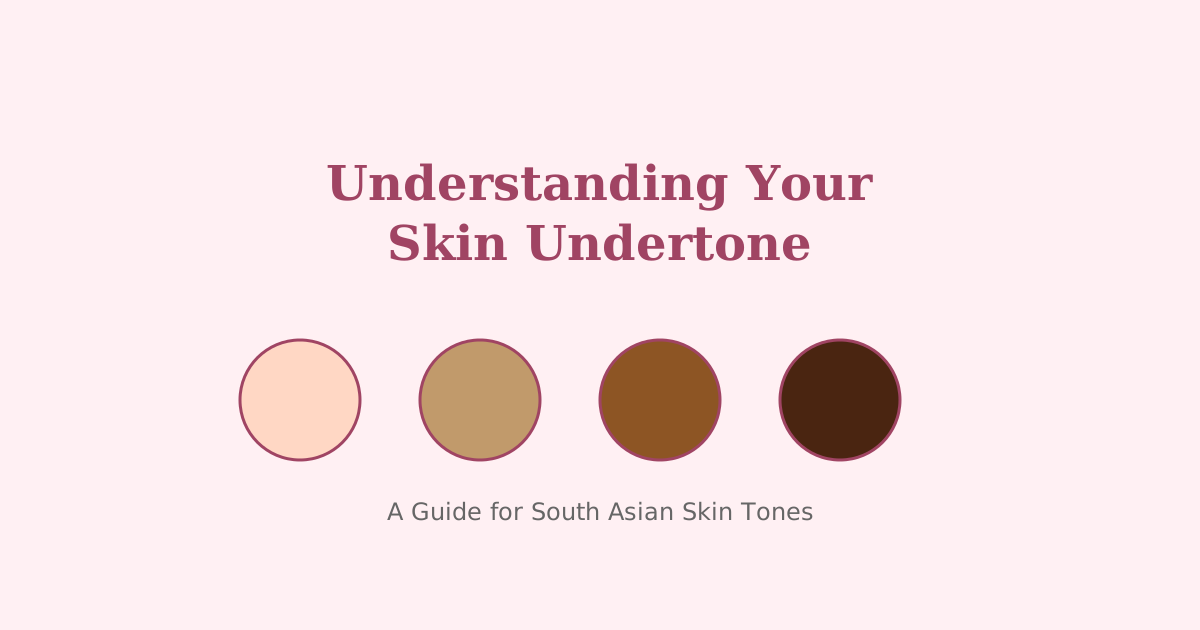
Complete Guide to Color Analysis for Brown Skin
A science-backed guide to undertone, depth, chroma, and seasonal systems, and why traditional color analysis fails brown skin. Optimized for South Asian skin tones.
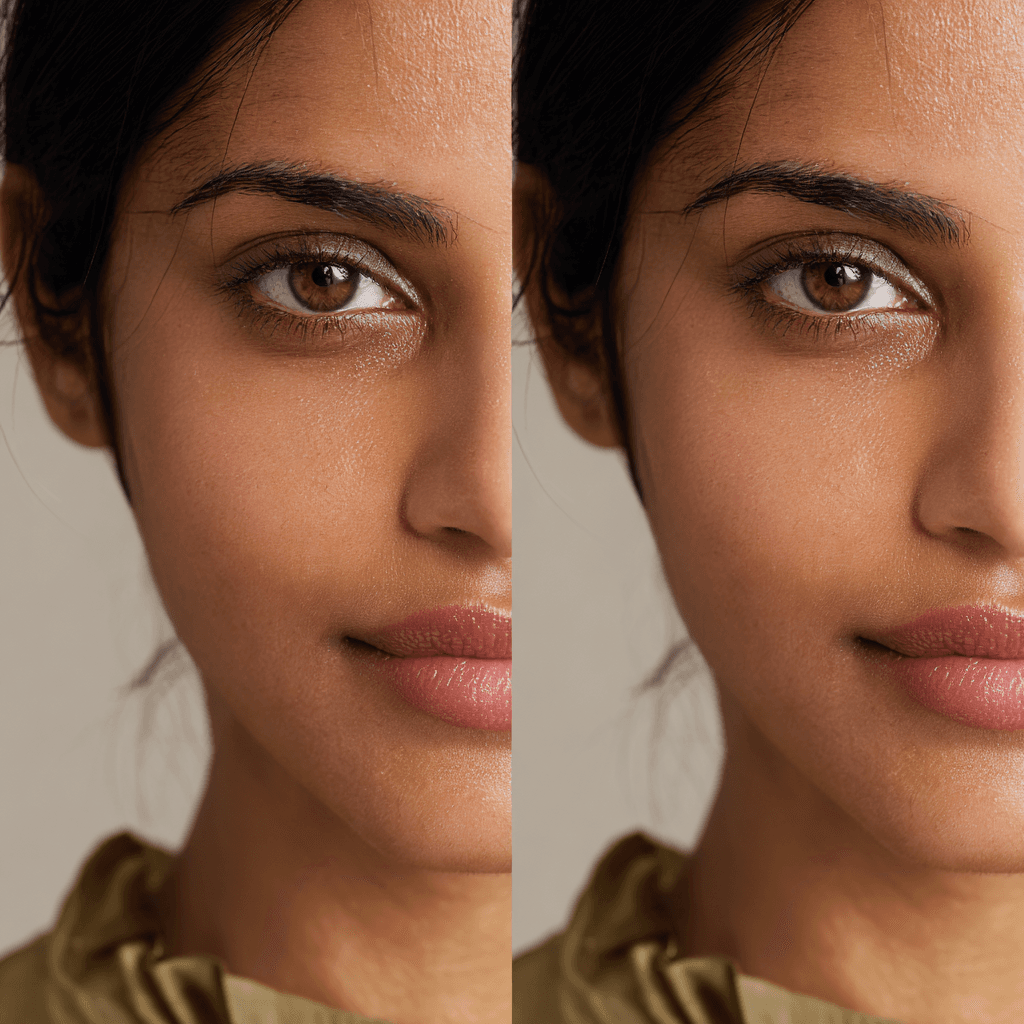
The Problem With AI Filters for Undertone Detection on Brown Skin
AI filters and beauty apps aren't built to analyze undertones accurately. Here's why they fail especially hard on brown skin.